
Your vacuum cleaner is only as good as its brush roll. When the bristles flatten, fray or tangle, even a powerful motor can leave dirt, pet hair and fine dust behind. So how often should you replace a vacuum brush? For most homes, the answer is every 6 to 12 months, but your habits, floors and household decide the real number.
In this guide you will learn exactly when to replace a vacuum brush roll, the warning signs to watch for, how to make it last longer, and how to choose a good replacement.
Quick Answer: How Often to Replace a Vacuum Brush
- Light use (small home, no pets): every 12 to 18 months
- Average household: every 6 to 12 months
- Pets or long hair: every 3 to 6 months
- Heavy or daily use: every 2 to 4 months
These are general ranges. Replace the brush when it shows wear, not only because a date has passed.
What Does a Vacuum Brush Roll Actually Do?
The brush roll (also called a beater bar or agitator) is the spinning cylinder at the base of your vacuum. Its bristles loosen dirt, hair and debris from carpet fibers so suction can lift them away. On hard floors it sweeps debris toward the nozzle. Because it works against the floor all the time, friction slowly wears it down.
Signs Your Vacuum Brush Needs Replacing
Do not rely on the calendar alone. Check for these warning signs:
1. Worn or Shortened Bristles
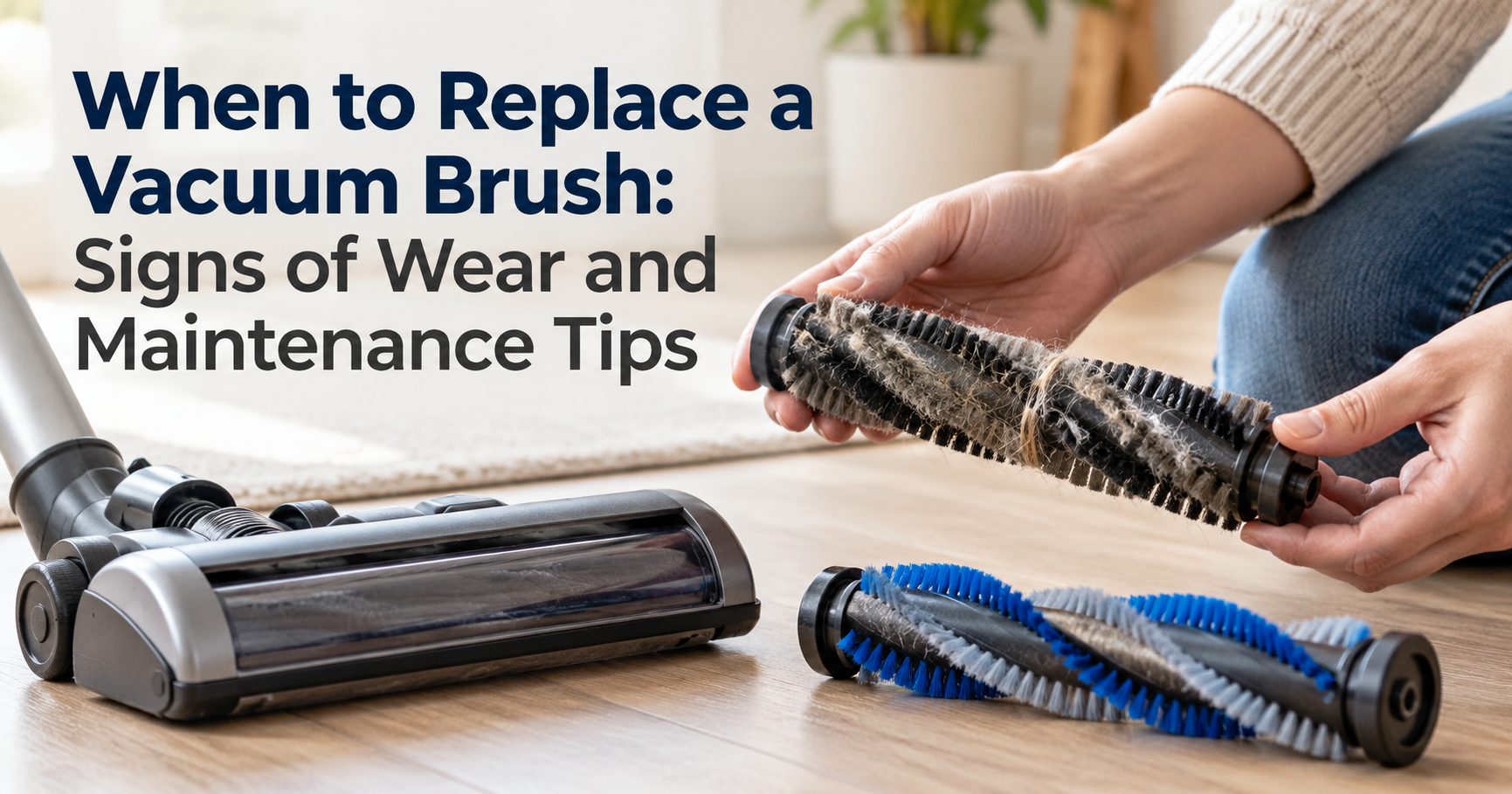
New bristles are long and stiff. If they look flattened, uneven or noticeably shorter, they can no longer reach into carpet fibers. A simple test: if the bristles barely extend beyond the brush housing, it is time for a new one.
2. Dirt Left Behind After Vacuuming
If you can still see crumbs, dust or pet hair after two passes, the brush may no longer be agitating properly.
3. Hair and Thread Keep Wrapping Around It
Some wrapping is normal. But if cleaning the roll does not stop constant tangling, damaged or frayed bristles may be catching hair.
4. Unusual Noise or Wobble
Grinding, rattling or an uneven spin can mean worn end caps or bearings. A damaged roll can also stress the motor.
5. The Brush Does Not Spin
Before blaming the brush, check the belt, since a stretched or broken belt is a common cause. If a new belt does not solve it, replace the brush roll.
Brush Roll vs. Belt: Do Not Confuse the Two
Many belt-driven vacuums use a rubber belt to spin the brush. Belts usually stretch and weaken sooner, often within 6 to 12 months. Replace the belt first if the brush stops turning, and replace the brush roll if the bristles are worn or damaged.
Factors That Shorten Brush Life
| Factor | Why It Matters |
|---|---|
| Pets and shedding | Fur wraps tightly and strains bristles and bearings |
| Long human hair | Creates stubborn tangles that damage the roll |
| Rough floors or debris | Grit and sharp objects wear bristles faster |
| Frequent vacuuming | More hours of use means faster wear |
| Poor cleaning habits | Trapped hair and debris cause friction and heat |
How to Make Your Vacuum Brush Last Longer
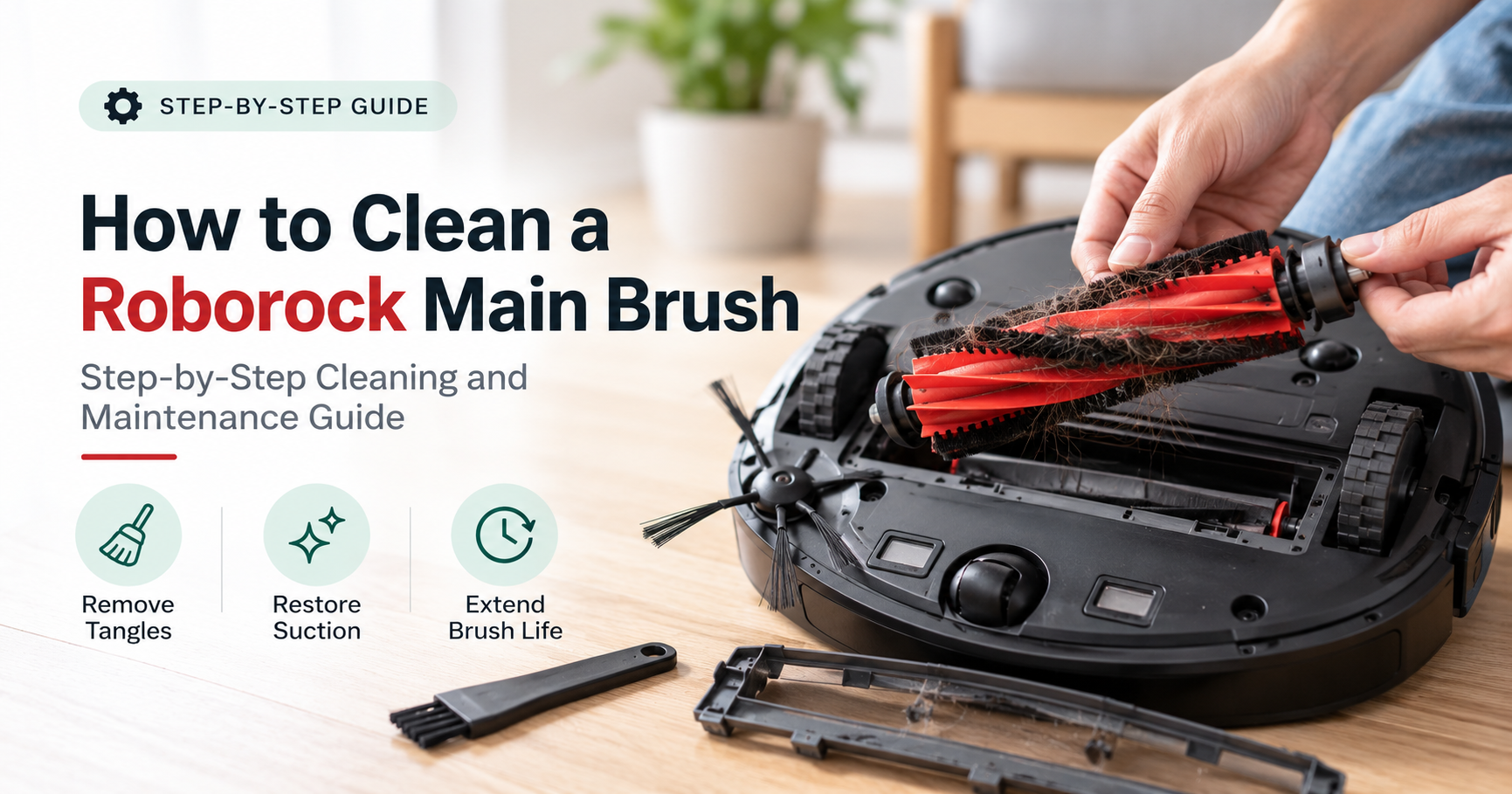
- Cut away hair weekly. Use scissors or a seam ripper to slice through tangles, then pull them off.
- Remove end caps monthly. Clear hidden hair and threads from the bearings.
- Pick up large debris first. Screws, string and sharp items can damage bristles.
- Use the right height setting. Setting it too low on thick carpet forces the brush to strain.
- Turn the brush off on delicate surfaces. Many models have a hard-floor mode.
- Store the vacuum properly. Keep it upright so bristles do not stay bent.
How to Replace a Vacuum Brush Roll (General Steps)
- Unplug the vacuum or remove the battery.
- Turn the vacuum over and open the brush compartment cover (usually screws or clips).
- Lift out the old brush roll and note how the belt sits.
- Clean the compartment thoroughly.
- Fit the new brush roll and belt, then close the cover.
- Test it to confirm it spins freely.
Steps vary by model, so always follow your owner’s manual.
Buying Guide: Choosing a Replacement Brush Roll
- Exact compatibility: match your vacuum’s brand and model number. Sizes and end-cap shapes differ.
- Bristle type: stiff bristles suit carpet, soft bristles suit hard floors, and combination rolls suit mixed homes.
- Anti-tangle design: useful if you have pets or long hair, since it reduces hair wrap.
- Genuine vs. aftermarket: genuine parts fit best and are safest for warranty; quality aftermarket parts can save money if reviews are consistent.
- Included parts: some kits include belts and end caps, which adds value.
Is It Worth Replacing, or Should You Buy a New Vacuum?
A replacement brush is usually cheap compared with a new vacuum, so replace the brush first. Consider a new machine if the motor is weak, suction is poor even with a new brush and clean filters, or repair costs approach half the price of a new vacuum.
Frequently Asked Questions
Can I wash a vacuum brush roll?
Many can be rinsed lightly, but it depends on the model. Check the manual, and let the roll dry completely before reinstalling it.
How do I know whether it is the brush or the belt?
If the brush does not spin freely, check the belt first. If it spins but cleaning is poor and the bristles are worn, replace the brush.
Does a worn brush damage my carpet?
A worn brush mostly cleans poorly, but a damaged or jammed one can snag carpet fibers. Replace it if it looks damaged.
Should I replace the brush and filter at the same time?
Not necessarily. Filters have their own schedule, often every 3 to 6 months for washable types. Check both together during your routine inspection.
Do robot vacuums need new brushes too?
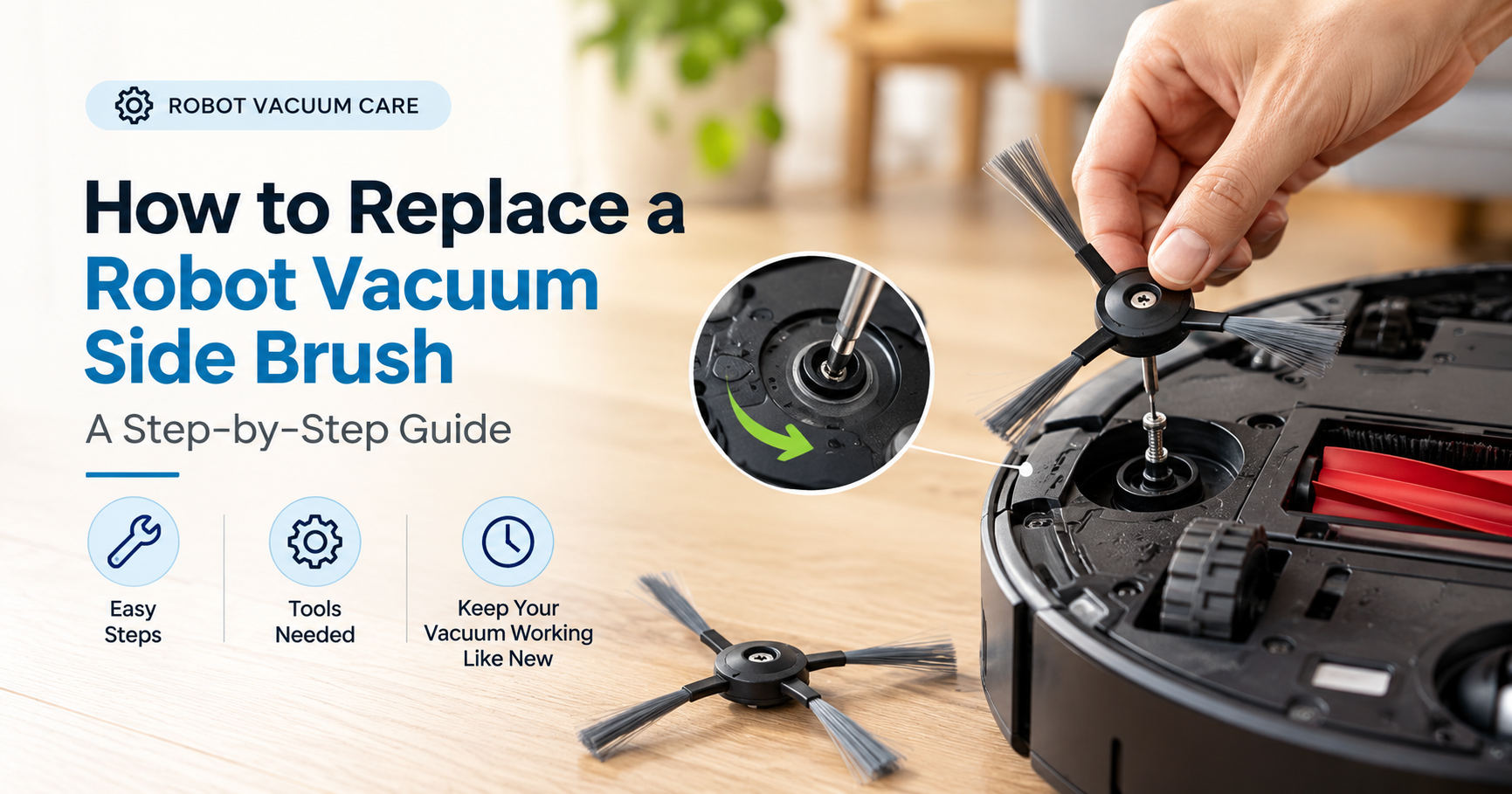
Yes. Robot vacuum main brushes typically need replacing every 6 to 12 months, and side brushes more often, around every 3 to 6 months.
Final Thoughts
So, how often should you replace a vacuum brush? Plan on 6 to 12 months for a typical home, sooner with pets or long hair, and later for light use. Watch the bristles, cleaning performance and noise, keep the roll free of hair, and replace it when it shows wear. A fresh brush roll is one of the cheapest ways to bring back the cleaning power of your vacuum.
Disclosure: This article may contain affiliate content. We may earn a small commission from qualifying purchases at no extra cost to you.