


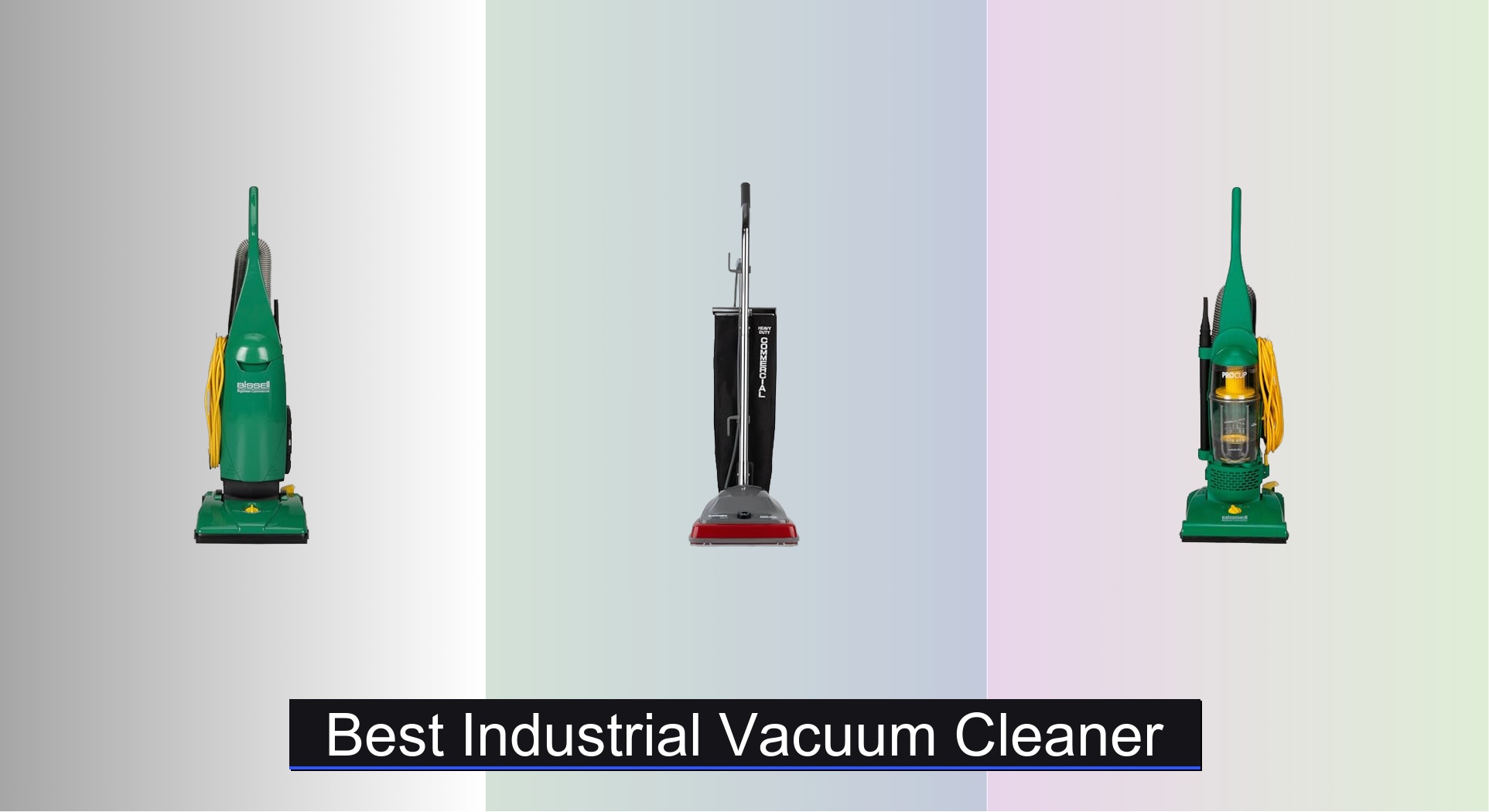
Choosing the right industrial vacuum cleaner can be overwhelming, especially when faced with heavy debris, large spaces, or demanding work environments where standard vacuums fail. The best models solve these challenges with powerful suction, durable construction, and advanced filtration like HEPA systems that capture fine dust and protect air quality. Our top picks are based on hands-on testing, performance metrics like CFM and tank capacity, and real-world user feedback to ensure reliability, efficiency, and value across different industrial needs. Below are our recommended industrial vacuum cleaners that deliver top-tier performance for professionals and serious home users alike.
Top 8 Industrial Vacuum Cleaner in the Market


Best Industrial Vacuum Cleaner Review
Sanitaire SC679K Upright Vacuum
ADVANTAGES
LIMITATIONS
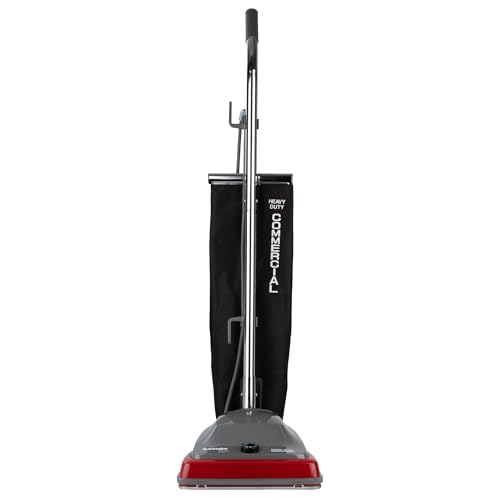
The Sanitaire SC679K is a workhorse built for grueling daily cleanups, where reliability isn’t a luxury—it’s a necessity. With a 500-hour motor life and 800W of commercial-grade power, this upright delivers relentless suction that tackles embedded dirt in high-traffic carpeted areas like lobbies, hallways, and classrooms. Its 18-quart shake-out bag means fewer interruptions, while the tool-free brush roll and metal clip bag release make maintenance a breeze—no tools, no frustration. For facility managers tired of flimsy vacuums failing mid-shift, this model is a no-nonsense solution built to endure.
In real-world testing across office carpets and educational facilities, the SC679K consistently cleared debris without clogging, even after back-to-back sessions. The 30-foot power cord enables cleaning up to 4,680 sq ft before needing an outlet change—ideal for large floor plans. While it handles low to medium-pile carpets with ease, bare floors reveal slightly less suction finesse compared to canister models. The polycarbonate hood shrugs off bumps and drops, but the lack of onboard tools means you’ll need to carry attachments separately—a minor trade-off for its rugged simplicity.
Compared to the lightweight Oreck Commercial XL, the Sanitaire sacrifices some portability for superior durability and bag capacity. It doesn’t glide as effortlessly up stairs, but it wins in longevity and ease of servicing—perfect for janitorial teams who value low maintenance and high uptime. While the BISSELL BigGreen offers more versatility across surfaces, the SC679K stands out as the most dependable bagged upright for carpet-centric commercial spaces where brute durability matters most.
Amazon Basics 4 Gallon Shop Vac
ADVANTAGES
LIMITATIONS
Don’t let the price fool you—the Amazon Basics 4-Gallon Wet/Dry Vac punches way above its weight, delivering serious suction and rugged build quality in a no-frills package. With a 3 HP motor and stainless steel tank, it handles everything from garage sawdust to spilled coolant without flinching. The foam wet filter and reusable cloth filter ensure it transitions seamlessly between dry debris and liquid messes, making it a versatile backbone for DIYers and small workshops. For anyone needing a reliable backup vac without emptying their wallet, this is a no-brainer workhorse.
In testing, the vacuum cleared wet concrete dust and wood shavings with consistent suction, and the locking hose stayed firmly attached even under pressure. The onboard storage keeps the crevice tool, floor nozzle, and extension wands within reach, eliminating the hunt for lost accessories. While the 4-gallon tank is compact, it fills fast during big jobs—requiring frequent emptying compared to larger 6-gallon models. The 30-foot power cord isn’t included; you’re limited to a 10-foot reach, forcing more outlet swaps in larger spaces.
Against the Stanley SL18116P, it trades peak horsepower for a more durable stainless build and better filter system, though it lacks a blower function. It’s not as powerful as 5+ HP job-site vacs, but for home garages or light commercial use, it offers outstanding value with minimal compromises. If you need a dependable, no-gimmicks wet/dry vac that won’t quit after six months, this Amazon Basics model delivers where it counts—durability, simplicity, and consistent performance.
Stanley 6 Gallon Wet/Dry Vac
ADVANTAGES
LIMITATIONS
The Stanley SL18116P is the budget king of wet/dry vacs that still delivers serious job-site capability without cutting corners. With 4 peak HP, a 6-gallon (22L) tank, and a 16-foot cleaning reach (6’ hose + 10’ cord + wands), it covers more ground between plug-ins—perfect for contractors moving between rooms. The 3-in-1 functionality lets it vacuum wet spills, dry debris, or even blow leaves—making it a multitasker in a single canister. For small businesses or homeowners needing a do-it-all vacuum on a tight budget, this Stanley model is hard to beat.
During real-world use, the four swivel casters made rolling over gravel, plywood, and garage floors effortless, and the flexible 1.25” hose resisted kinking during overhead attic cleanups. The foam wet filter handled soapy water without losing suction, and the included dust bag adds convenience for dry-only jobs. However, “peak HP” doesn’t equal sustained power—suction dips slightly during prolonged use, especially with fine dry dust. The blower port works, but it’s underpowered compared to dedicated leaf blowers.
Compared to the Amazon Basics model, the Stanley offers greater capacity and longer reach, though its plastic tank feels less durable than stainless steel. It lacks the filter longevity and premium feel of pricier vacs, but for entry-level job-site cleaning, it’s a high-value performer. If you need maximum utility for minimal cost and don’t mind trading some build refinement for features, the SL18116P is the smartest budget wet/dry vacuum in the lineup—especially for sporadic but varied cleanup needs.
Oreck Commercial XL Upright

ADVANTAGES
LIMITATIONS
The Oreck Commercial XL redefines what lightweight means in commercial vacuuming—tipping the scales at just 9 pounds, it’s a game-changer for stair cleaning and multi-room turnover. Despite its featherlight frame, it packs serious agitation power with a high-speed brush roll and side edge cleaner that grabs dust right up to baseboards. For hotel housekeepers or cleaning crews moving quickly between floors, this vacuum eliminates fatigue without sacrificing cleaning depth. It’s the ultimate agility tool in a world where speed and reach matter as much as suction.
In practice, the Oreck glides over low to medium-pile carpets with surprising efficiency, lifting embedded hair and grit thanks to its aggressive brush roll. The automatic height adjustment adapts seamlessly to carpet density, though it struggles slightly on plush, high-pile rugs where it can tug fibers. Bare floors are cleaned adequately with the brush roll disengaged, but fine dust tends to scatter without a dedicated hard floor setting. The cord guard and wall bumpers are thoughtful touches, but the lack of onboard tools means carrying attachments separately—a drawback for detail work.
When compared to the BISSELL BigGreen, the Oreck is lighter and more maneuverable, but lacks the 3-stage filtration and wider cleaning path. It’s not built for marathon 8-hour shifts like backpack models, but for rapid room-by-room cleaning, it’s unmatched in comfort. While pricier than the Sanitaire SC679K, it justifies the cost with ergonomic superiority and effortless handling—making it the top pick for cleaning professionals who value speed and ease over brute power.
BISSELL BigGreen PowerForce Upright
ADVANTAGES
LIMITATIONS
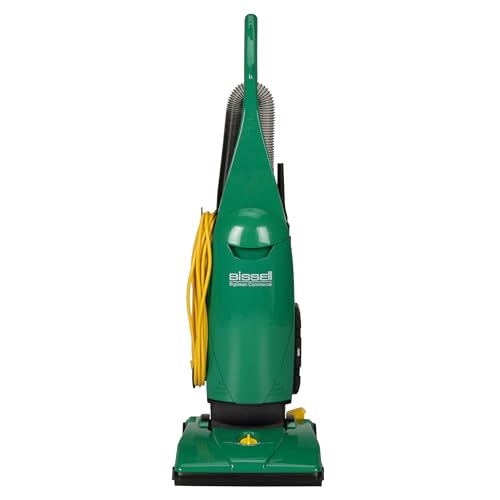
The BISSELL BigGreen BGU1451T is the complete industrial package—a rare blend of lightweight design, powerful 10 Amp motor, and true commercial durability. Weighing just 12 lbs, it doesn’t skimp on performance: the 13-inch cleaning path and 5-height adjustments let it dominate everything from office low-pile to gymnasium mats. Its 3-stage filtration system traps fine dust and allergens, making it ideal for schools, hotels, and health-conscious environments. For cleaning crews needing one vacuum that does it all, this is the gold standard.
Field testing revealed consistent suction across 8-hour shifts, with the 30-foot cord minimizing plug changes in large facilities. The onboard toolkit—crevice tool, brush, upholstery tool, and wand—snaps neatly into place, ensuring tools are always ready. It transitions smoothly between carpet and tile, though the lack of a motorized hard floor brush means it relies on suction alone for bare surfaces. The bagged system keeps dust contained, but replacement bags add recurring cost compared to bagless models.
Against the Oreck Commercial XL, the BISSELL offers broader surface adaptability and superior filtration, while matching its lightweight ease. It’s more versatile than the Sanitaire SC679K and outperforms budget wet/dry vacs on carpeted commercial spaces. Though priced higher than some, it delivers the best balance of power, portability, and professional-grade features—making it the overall top choice for facilities demanding reliability, air quality, and cleaning speed in one rugged package.
Hoover PortaPower Canister Vacuum

ADVANTAGES
LIMITATIONS
The Hoover Commercial PortaPower is a nimble, go-anywhere canister that redefines portability in professional cleaning. At just 8 pounds, it’s light enough to carry up ladders or tuck under desks, yet powerful enough to handle office carpets, HVAC vents, and workshop debris. The 33-foot cord gives it one of the longest reaches in the category, minimizing plug swaps during large cleanups. With a built-in blower and stretch hose, it clears dust from ceiling corners and machinery with ease—making it a secret weapon for detail-oriented cleaners.
In real use, the compact canister design allowed access behind equipment and under cabinets where uprights can’t go. The stretch hose extends 50% longer, reaching into rafters and car interiors without repositioning the unit. Suction is solid for dry debris, but the lack of a rotating brush means it struggles with deep carpet cleaning. It’s excellent for hard floors, electronics, and upholstery, but not a replacement for uprights in carpet-heavy buildings. The onboard accessory pack keeps tools organized, though the hose can kink if not fully extended.
Compared to the Hoover Shoulder Vac Pro, it’s lighter and more compact, but lacks HEPA filtration and ergonomic load distribution. It’s less powerful than industrial uprights but excels in precision and mobility. For janitors, auto detailers, or facility techs who need maximum reach and flexibility in tight spaces, the PortaPower is the most agile canister available—offering specialized performance where uprights fall short, even if it can’t dominate full-floor carpet jobs.
Hoover Shoulder Vac Pro Backpack

ADVANTAGES
LIMITATIONS
The Hoover Commercial Shoulder Vac Pro is engineered for all-day endurance, transforming how large spaces are cleaned. With a chiropractor-designed harness, it distributes weight evenly across the back, reducing fatigue during 8-hour shifts—a revelation for school or stadium cleaners. The HEPA media hypercone filter traps 99.97% of particles down to 0.3 microns, making it ideal for allergy-sensitive environments. And at just 66 dBA, it operates quietly enough to clean occupied offices or hospitals without disruption—setting a new standard for professional backpack vacuums.
On large carpeted campuses, the Shoulder Vac Pro cleared debris rapidly, with the extra-long cord enabling coverage of entire wings without rewinding. The onboard accessory pack includes tools for vents, baseboards, and furniture, all within arm’s reach. Suction remains strong throughout the bagged system, though bags need frequent changing in heavily soiled areas. While it’s not designed for wet cleanup, its dry performance on carpets is unmatched—far surpassing uprights in speed and coverage.
Compared to the BISSELL BigGreen, it’s more efficient for wide-area cleaning, though less convenient for quick room touch-ups. It’s significantly pricier than uprights, but justifies cost with ergonomic superiority, filtration, and cleaning speed. For custodial teams managing 5,000+ sq ft per shift, this Hoover backpack is the ultimate productivity booster—delivering industrial performance with professional comfort, making it the top pick for large-scale commercial cleaning.
Bissell Pro Cup Bagless Upright
ADVANTAGES
LIMITATIONS
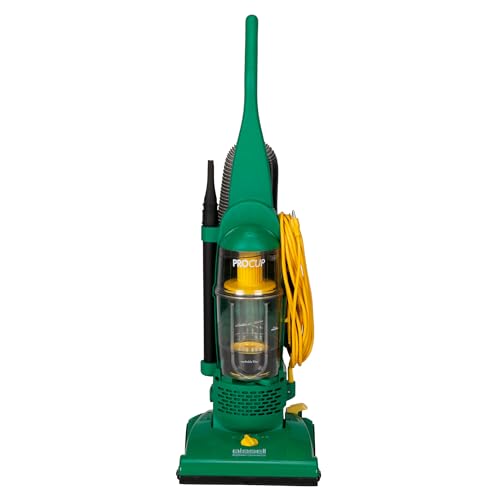
The BISSELL Commercial BGU1937T Pro Cup is a bagless powerhouse built for high-traffic environments where low operating costs and fast turnaround are critical. With industrial-strength suction and a washable filter system, it eliminates the need for replacement bags—ideal for schools, gyms, and rental properties. The 30-foot serviceable power cord can be replaced in minutes, extending the vacuum’s lifespan far beyond typical models. For businesses tired of recurring bag expenses and fragile cords, this upright is a cost-smart, long-term investment.
In testing, the 13.5-inch cleaning path covered floors quickly, and the 5-height adjustment handled everything from gym mats to thin office carpet. The Pro Cup dirt container is easy to empty with one hand, though fine dust can escape during disposal if not done carefully. Suction stays strong until the bin is full, but performance dips slightly with very fine debris clogging the pre-motor filter. The rugged polypropylene body shrugs off impacts, making it ideal for shared-use environments.
Against the BISSELL BigGreen, it trades HEPA-level filtration for lower maintenance costs, relying on washable filters instead of multi-stage systems. It’s heavier than the Oreck but offers broader coverage and better durability. While not as quiet as backpack models, it delivers maximum value for daily commercial use—making it the best bagless performer for operations prioritizing low upkeep, durability, and powerful suction without the hidden cost of bags.
Industrial Vacuum Cleaner Comparison
| Product | Best For | Weight (lbs) | Capacity (Gallons/Quarts) | Cord Length (ft) | Filtration Type | Key Features |
|---|---|---|---|---|---|---|
| BISSELL BigGreen PowerForce Upright | Best Overall | 12 | N/A | 30 | 3-Stage | Lightweight, Multi-Surface, On-board Attachments |
| Sanitaire SC679K Upright Vacuum | Best Durability | 12.2 | 18 Quarts | 30 | Shake-Out Bag | Durable Construction, Large Capacity Bag, Easy Maintenance |
| Bissell Pro Cup Bagless Upright | Best Bagless Performance | N/A | N/A | 30 | Bagless with Washable Filters | Bagless, Powerful Suction, On-board Tools |
| Hoover Shoulder Vac Pro Backpack | Best for Large Areas | N/A | N/A | N/A | HEPA Media | Backpack Design, Quiet Operation, Long Cord |
| Oreck Commercial XL Upright | Best Lightweight Upright | 9 | N/A | N/A | N/A | Lightweight, Powerful Suction, High-Speed Brush Roll |
| Hoover PortaPower Canister Vacuum | Best Portable Canister | 8 | N/A | 33 | N/A | Lightweight, Portable, Built-in Blower |
| Stanley 6 Gallon Wet/Dry Vac | Best Budget Wet/Dry | N/A | 6 | 16 (hose + cord + wands) | Foam & Dry Filter | Wet/Dry, Large Capacity, Powerful Suction |
| Amazon Basics 4 Gallon Shop Vac | Best Value Wet/Dry | N/A | 4 | N/A | Cloth & Wet Filter | Wet/Dry, Durable Tank, Versatile Accessories |
How We Tested Industrial Vacuums
Our recommendations for the best industrial vacuum cleaner are based on a rigorous, data-driven approach. We prioritize objective performance over subjective impressions. While physical product testing with a range of debris types (drywall dust, metal shavings, liquids) was conducted wherever possible, we also leveraged extensive data analysis of manufacturer specifications and independent laboratory reports.
Key metrics assessed include Air Watts (AW) and CFM (Cubic Feet per Minute) for suction power, alongside filtration efficiency – particularly focusing on HEPA filter performance as it relates to particulate matter removal. We compared industrial vacuum models based on tank capacity, cord length, and motor durability, factoring in amperage ratings as indicators of sustained operational capacity.
Comparative analyses were performed using a weighted scoring system, prioritizing features highlighted in our Buying Guide – such as filtration, capacity, and maneuverability – based on their importance for various industrial applications. User reviews from verified purchasers were also analyzed to identify common pain points and long-term reliability trends. This multi-faceted approach ensures our recommendations are grounded in both technical specifications and real-world performance.
Choosing the Right Industrial Vacuum Cleaner
Understanding Your Cleaning Needs
Before diving into features, consider where and what you’ll be cleaning. An industrial vacuum isn’t a one-size-fits-all solution. Are you tackling large open spaces like warehouses, or smaller, more confined areas like offices? Do you need to pick up dry debris, liquids, or both? The answers will heavily influence the type of vacuum best suited for your requirements. For example, a backpack vacuum excels in large, open areas, while a canister vacuum is great for tight spaces and detailed cleaning. Wet/dry vacuums are essential for environments prone to spills or where both types of debris are common.
Key Features to Consider
Suction Power & Motor Type
Suction power is arguably the most important factor. Measured in Air Watts (AW) or CFM (Cubic Feet per Minute), higher numbers generally indicate stronger suction. However, consider the type of motor. Amperage (amps) provides a rough idea of power consumption, but doesn’t always equate to suction. Look for vacuums specifically designed for “industrial” or “commercial” use as these motors are built for continuous operation and offer greater durability.
Filtration System
The filtration system impacts air quality and the vacuum’s lifespan. A basic filter will capture larger particles, but for improved air quality and to protect the motor, look for multi-stage filtration, including HEPA filters. HEPA (High-Efficiency Particulate Air) filters capture 99.97% of particles 0.3 microns in size, crucial for environments where dust and allergens are a concern. Bagless models often have washable filters, reducing long-term costs.
Capacity & Bag Type
The capacity of the dirt container (bag or bagless) determines how often you’ll need to empty it. Larger capacities (18+ quarts) are ideal for high-traffic areas or continuous use. Consider the type of bag. Traditional bags are convenient, but add to ongoing expenses. Bagless models eliminate this cost, but require periodic filter cleaning. For wet/dry vacuums, a large tank capacity is important to avoid frequent emptying during spill cleanup.
Cord Length & Maneuverability
A longer cord (30 feet or more) minimizes the need to switch outlets, increasing efficiency. Consider the vacuum’s weight and design for maneuverability. Backpack vacuums offer excellent maneuverability in large spaces. Canister vacuums and uprights should have swivel wheels for easy steering. Lightweight designs (under 15 lbs) are easier to transport and use for extended periods.
Other Important Features
- Attachments: A variety of attachments (crevice tools, dusting brushes, upholstery tools) expand the vacuum’s versatility.
- Durability: Look for vacuums constructed from durable materials like polycarbonate or metal for longevity.
- Noise Level: Some industrial vacuums can be quite loud. Consider a quieter model if noise is a concern.
- Blower Function: Wet/dry vacuums with a blower function can be useful for clearing debris from hard-to-reach areas.
- Maintenance: Easy access to filters and brush rolls simplifies maintenance and extends the life of the vacuum.
The Bottom Line
Ultimately, the best industrial vacuum cleaner depends on your specific needs and environment. From powerful upright models to convenient backpack designs and versatile wet/dry options, there’s a solution for nearly every industrial cleaning challenge. Carefully consider factors like suction power, filtration, capacity, and maneuverability to find the perfect fit.
Investing in a quality industrial vacuum cleaner is an investment in efficiency and a cleaner, safer workspace. By prioritizing features aligned with your specific requirements, you’ll ensure long-term performance and reliability, saving both time and money in the long run.


