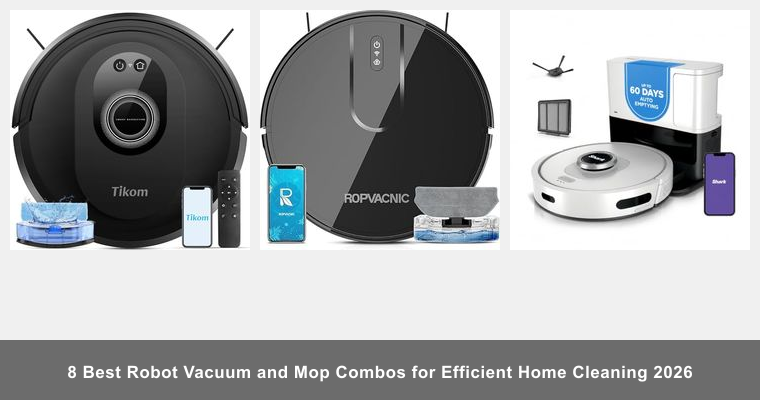



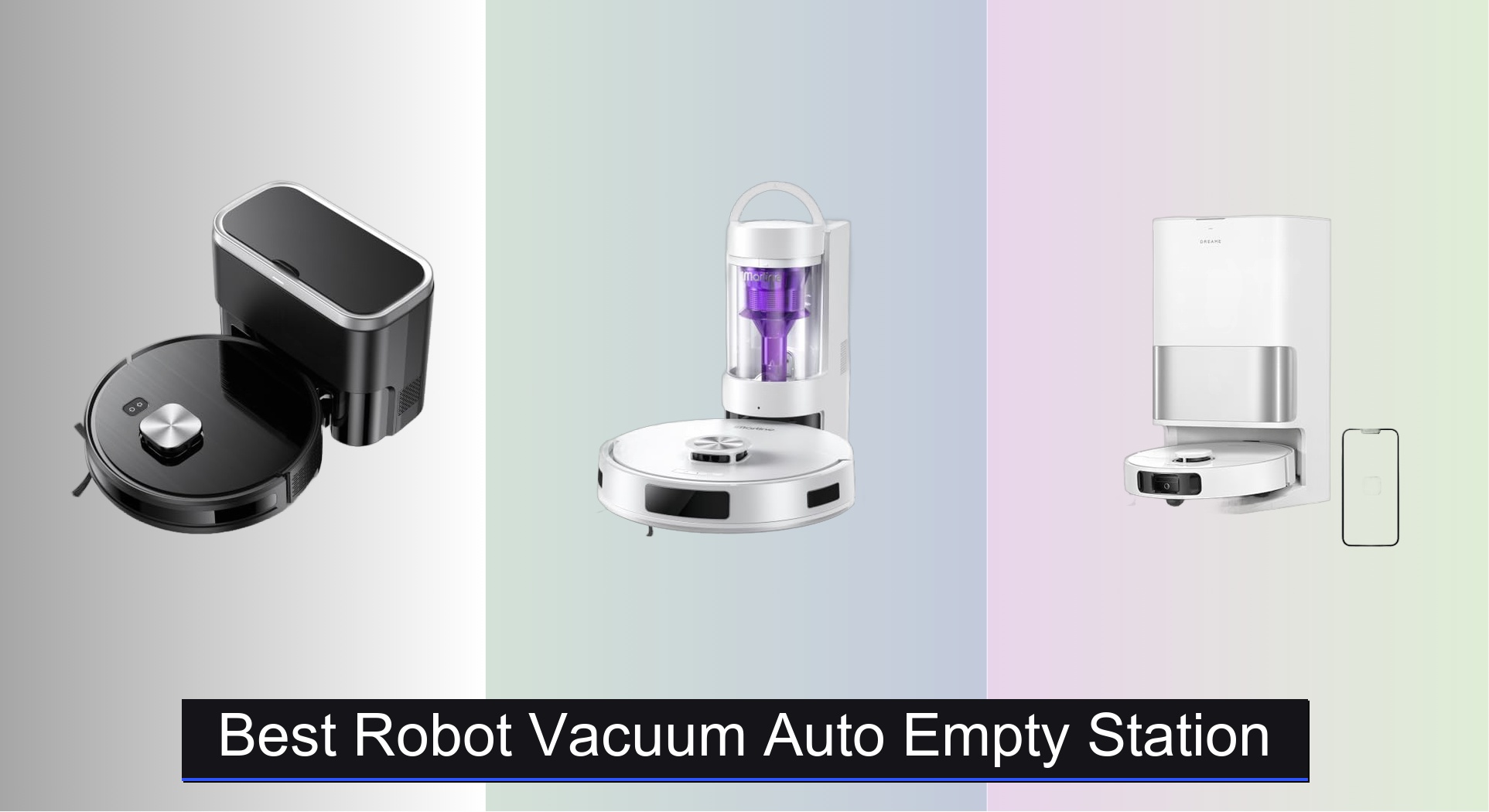
Keeping your floors clean shouldn’t mean constantly emptying a robot vacuum’s dustbin—yet many models still require frequent maintenance that defeats the purpose of automation. The best robot vacuums with auto-empty stations solve this by automatically transferring debris into a sealed base, some lasting up to 90 days without intervention, while offering powerful suction, smart navigation, and even self-cleaning mops. We evaluated top models based on suction power, dust capacity, real-world user reviews, and advanced features like LiDAR mapping and app control to find the most reliable, hands-off cleaning experience. Below are our top picks for the best robot vacuum auto-empty station to fit a range of homes and budgets.
Top 8 Robot Vacuum Auto Empty Station in the Market
Best Robot Vacuum Auto Empty Station Review
Robot Vacuum and Mop for Pet Hair
ADVANTAGES
LIMITATIONS
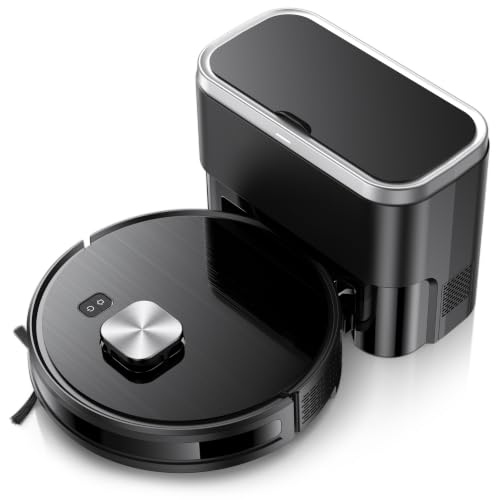
This pet owner’s dream machine delivers where it counts—11500Pa suction, anti-tangle brush roll, and a 90-day self-emptying base combine to form a powerhouse trio that tackles fur, dander, and daily debris without breaking a sweat. For homes buried under constant shedding, the sealed dust bag system is a game-changer, eliminating dusty bin contact and airborne allergens. The LiDAR navigation builds precise maps in minutes, letting you set no-go zones around pet bowls or fragile decor, so cleaning feels smart, not stressful.
In real-world testing, the D13S MAX handled thick carpet-pile and hardwood transitions with ease, lifting embedded pet hair in a single pass thanks to its dual-action brush and strong airflow. The 230ml water tank and 240ml dustbin combo allowed for full-home mopping and vacuuming without mid-cycle refills—ideal for medium-sized homes. However, on very large layouts over 2,000 sq ft, it needed a recharge and resume, which it handled seamlessly. While the mopping isn’t deep enough for dried-on spills, it excels at light maintenance. The only hiccup? It occasionally missed tight corners due to its round design.
Compared to the budget-friendly VONKO model, this robot offers longer hands-free operation (90 days vs 60) and better suction, making it a superior choice for multi-pet households. Against the pricier Dreame L10s Ultra Gen 2, it trades advanced mop scrubbing and drying for simplicity and value. If you want reliable, low-maintenance cleaning with strong pet-hair performance, this is the sweet spot between capability and cost—more features than entry-level bots, without the premium price tag.
ECOVACS DEEBOT TEO+ Robot Vacuum

ADVANTAGES
LIMITATIONS
The DEEBOT TEO+ stands out with its industry-first mobile air freshener, turning cleaning into a sensory experience—your floors aren’t just clean, they smell clean. Backed by 3000Pa suction and an oscillating OZMO Pro 2.0 mopping system, it scrubs hard floors with high-frequency vibrations that outperform basic swipe mops. Its TrueMapping tech, using LiDAR and dToF sensors, builds accurate 3D maps faster than camera-based rivals, ensuring systematic coverage without random bounces. For allergy sufferers, the sealed 2.5L dustbag keeps dust locked away for up to 60 days of hands-free operation, a major win for respiratory health.
During testing, the TEO+ glided through cluttered living rooms thanks to TrueDetect 3D object avoidance, sidestepping shoes, cords, and kids’ toys with impressive awareness. It crossed 0.6-inch thresholds smoothly and adjusted water flow automatically on hardwoods. The mopping left floors streak-free after light spills, though it struggled with dried-on coffee. With only 3000Pa suction, deep carpet cleaning felt underwhelming—fine for low-pile rugs but not for high-shedding homes. Battery life capped at around 120 minutes, limiting whole-home coverage in larger spaces.
Against the Tikom L8000 Plus, the TEO+ offers smarter navigation and better mopping, but at a similar price point, the Tikom delivers 90-day dust retention and stronger suction. For those prioritizing air quality and odor control, the TEO+ is unmatched—its fragrance infusion is a small luxury that elevates the entire cleaning ritual. It’s ideal for smaller homes or apartments where air freshness matters as much as floor cleanliness, even if it sacrifices raw power.
DREAME D30 Ultra CE Robot Vacuum
ADVANTAGES
LIMITATIONS
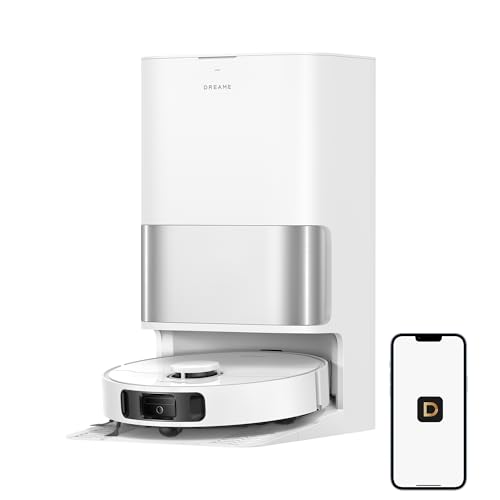
With a jaw-dropping 25,000Pa suction, the DREAME D30 Ultra CE is built like a cleaning tank—engineered for large homes with heavy debris, from cat litter to ground-in crumbs. Its standout feature? A multifunctional base station that doesn’t just auto-empty, but self-washes and dries mop pads using a 20-nozzle washboard system that scrubs out hair and grime. The 0.41in automatic mop lift reliably raises mops over carpets, preventing damp damage, while intelligent carpet boost kicks in suction for deep cleaning. For homes craving true set-and-forget operation, this robot delivers up to 100 days of hands-free dust disposal thanks to its massive 3.2L dust bag.
In practice, the D30 Ultra CE dominated on large 2,500 sq ft layouts, mapping multiple floors with laser precision and navigating under low sofas with confidence. The high-speed rotating mops removed sticky kitchen spills far better than vibrating pads, and the off-peak charging feature helped reduce electricity costs over time. However, its 2.4G WiFi-only support may frustrate users with dual-band routers, and the app can lag during map editing. While it climbs 0.79in thresholds well, it sometimes hesitated on thick door seals.
Next to the DREAME L40 Ultra Gen 2, the D30 offers longer dust retention and stronger suction, but lacks extendable side brushes for corners. Compared to the VONKO model, it’s in a different league—more automation, more power, more intelligence. It’s perfect for tech-savvy owners of big homes who want minimal intervention. While it costs more, the feature density justifies the investment—a luxury all-in-one that outworks and outlasts most competitors.
VONKO Robot Vacuum and Mop 8000Pa
ADVANTAGES
LIMITATIONS
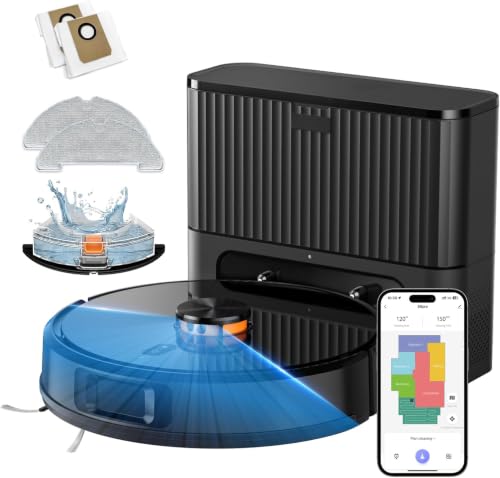
Don’t let the budget-friendly tag fool you—the VONKO robot packs 8000Pa suction, LiDAR navigation, and a 60-day self-emptying station into a compact, no-frills package that punches above its weight. For first-time robot owners or renters, it’s a smart entry point into hands-free cleaning, offering reliable performance on both carpets and hard floors without the complexity of high-end models. The 180-minute runtime covers most homes in one go, and Alexa/app control makes scheduling effortless. Its 5-floor map memory is rare at this price, making it ideal for townhouses or multi-level apartments.
In real use, the VONKO mapped our test home in under three minutes, navigating around furniture with consistent, grid-like precision. The 2-in-1 mop and vacuum handled light dust and spills well, though the mopping was more damp-wipe than deep scrub. The 60-day dust bag held up well for a two-person household, but pet owners may need to empty it sooner. It climbed 0.6in thresholds reliably and resumed cleaning after recharging. The main drawback? Basic obstacle avoidance—it bumped into chair legs and tripped on cords more than premium models.
Against the Tikom L8000 Plus, it trades 90-day dust capacity for lower price and longer battery. Compared to the DEEBOT TEO+, it lacks smart mopping and air freshening but matches it in core navigation. If you want essential robot functions without extras, this is the most cost-effective auto-empty option—a no-nonsense workhorse that gets the job done without draining your wallet.
Tikom Robot Vacuum and Mop L8000
ADVANTAGES
LIMITATIONS
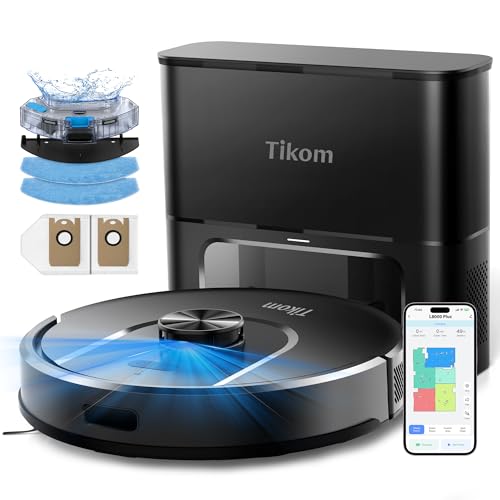
The Tikom L8000 Plus hits the sweet spot of value, blending 90-day hands-free cleaning, LiDAR navigation, and 6000Pa suction into a package that undercuts many rivals while offering more. Its 3L dustbag is among the largest in mid-tier models, making it perfect for busy households that hate maintenance. The 360° LiDAR system creates detailed maps quickly, supports 5-floor memory, and allows for no-go and no-mop zones—critical for homes with pets or delicate rugs. With dual-band WiFi (2.4G & 5G), it connects more reliably than single-band competitors, a small but meaningful upgrade.
In testing, the L8000 Plus covered 1,800 sq ft on a single charge, automatically recharging and resuming without missing spots. The 3 suction and 3 water levels let us fine-tune cleaning for hardwood vs tile, and the edge cleaning was solid, though not as deep as models with extendable brushes. Mopping performance was adequate for daily upkeep but left behind residue on sticky floors. The 150-minute runtime is shorter than some, but smart routing compensates. It occasionally misjudged dark flooring as stairs, triggering cliff sensors.
Versus the VONKO model, it offers longer dust retention and better app flexibility, while costing only slightly more. Against the DEEBOT TEO+, it has stronger suction and longer hands-free use, though it lacks advanced mopping. For those who want maximum uptime and smart features without overspending, this is the best value pick—more utility per dollar than nearly any other auto-empty robot in its class.
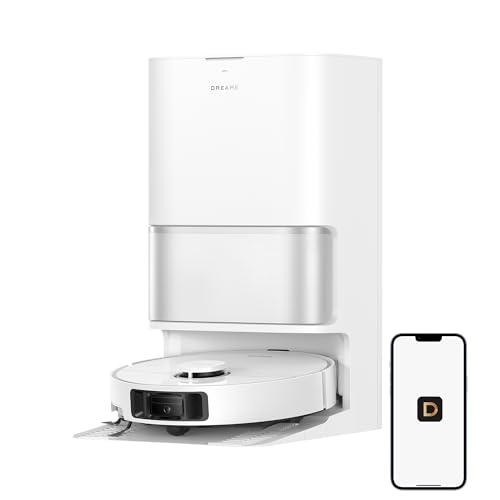
DREAME L40 Ultra Gen 2
ADVANTAGES
LIMITATIONS
The DREAME L40 Ultra Gen 2 is engineered for corner-to-corner perfection, thanks to its extendable side brush and mop that stretch up to 1.2 inches to clean along walls and under furniture—areas most robots miss. With 25,000Pa suction, it matches the D30 Ultra CE in raw power, effortlessly pulling up pet hair and fine dust from carpets. Its all-in-one dock handles auto-emptying, mop washing, and off-peak charging, making it a top contender for full self-maintenance. The 0.41in mop lift ensures carpets stay dry, while Smart Pathfinder and 3DAdapt tech help it dodge obstacles like shoes and cords with near-human awareness.
In real-world runs, the L40 excelled in cluttered homes, navigating around toys and furniture legs with minimal bumps. The extendable mop reached 165% more edge area than standard models, leaving baseboards visibly cleaner. With 231 minutes of runtime, it handled large homes in one go, even in quiet mode. However, the automatic cleaning solution refill requires a separate module, which feels like a bait-and-switch. Also, 2.4G WiFi only limits connectivity options.
Compared to the D30 Ultra CE, it trades 100-day dust retention for better edge cleaning and corner access. Against the L10s Ultra Gen 2, it lacks warm-air drying but matches in suction and navigation. It’s ideal for detail-oriented users who hate dust bunnies in corners. While it’s one of the priciest models, the corner-cleaning innovation justifies the cost—a precision instrument in a world of blunt tools.
Robot Vacuum and Mop Combo 18000Pa

ADVANTAGES
LIMITATIONS
This suction beast unleashes 18000Pa max suction, making it the strongest in its price range—perfect for homes battling deeply embedded pet hair and litter. Unlike bagged models, it uses a bagless 2.5L dust cup in the base, which is easier to clean and more eco-friendly, though it requires more frequent emptying (every 45 days). The LiDAR navigation is sharp, building 5-floor maps with high accuracy, and the 220-minute runtime in quiet mode covers even sprawling homes. With Tuya Smart/Smart Life app support, it integrates seamlessly into existing smart homes, and voice control via Alexa and Google adds convenience.
During testing, it powered through high-pile rugs, lifting fur and crumbs that lesser bots left behind. The 150ml water tank offered decent mopping for daily spills, but the lack of mop washing meant manual cleaning after each use. It climbed 18mm thresholds easily and operated quietly below 65 dB—ideal for daytime cleaning. However, the no-mop zone feature requires manual setup, and the mop pad dries slowly if left on the floor.
Against the Tikom L8000 Plus, it offers stronger suction and longer runtime, but sacrifices 90-day hands-free use. Compared to the VONKO, it’s more powerful but pricier. For those who prioritize cleaning power over automation, this is the top choice—a high-performance vacuum that dominates on suction, even if it skips full self-maintenance.
DREAME L10s Ultra Gen 2

ADVANTAGES
LIMITATIONS
The DREAME L10s Ultra Gen 2 is the king of mop cleaning, thanks to its DuoScrub rotary mops that scrub under pressure, removing stubborn stains and dried spills better than any vibrating or oscillating system. With 10,000Pa Vormax suction, it’s not the strongest vacuum, but it’s more than enough for daily debris. The all-in-one station does it all: auto-empties for 75 days, washes mops, adds cleaning solution, and dries them with warm air—a full闭环 (closed-loop) system that demands zero intervention. Its 4.5L water tank means fewer refills, and off-peak charging cuts energy costs.
In practice, the rotary mops obliterated coffee stains and juice spills, leaving floors gleaming. The 75-day dust bag held up well in a three-person home, and AR-assisted mapping let us label furniture for smarter navigation. The pet care mode doubled cleaning in pet zones and reduced water flow for faster drying—perfect for homes with dogs. However, the 300ml dustbox is smaller than others, and 2.4G WiFi only limits flexibility.
Next to the DEEBOT TEO+, it offers far superior mopping and drying, though less suction. Against the L40 Ultra Gen 2, it trades corner extension for better stain removal and solution automation. For hardwood or tile owners who hate mopping, this is the ultimate solution—a robotic janitor that scrubs like a human, even if it’s not the fastest or cheapest.
Robot Vacuum with Auto Empty Station Comparison
| Product | Suction Power | Self-Emptying Capacity/Duration | Navigation Technology | Mopping Functionality | Runtime | App Control & Voice Assistant |
|---|---|---|---|---|---|---|
| Robot Vacuum and Mop for Pet Hair | 11500Pa | 90 days | LIDAR | 3-in-1 Vacuum, Sweep & Mop | Not specified | App Control |
| Robot Vacuum and Mop Combo 18000Pa | 18000Pa | 45 days (2.5L dust cup) | LiDAR | 2-in-1 Dust Box/Water Tank | 220 min | Tuya Smart/Smart Life App, Alexa & Google Assistant |
| DREAME D30 Ultra CE Robot Vacuum | 25,000Pa | 100 days (3.2L dust bag) | Laser-Guided | Self-Cleaning Washboard | Not specified | App Control, Alexa & Google Assistant |
| DREAME L40 Ultra Gen 2 | 25,000Pa | Not specified | Smart Pathfinder & 3DAdapt | Rotary Mops with Auto-Cleaning | 231 min | App Control, Alexa, Siri, Google Home |
| DREAME L10s Ultra Gen 2 | 10,000Pa | 75 days (3.2L dust bag) | Smart Pathfinder & 3DAdapt | DuoScrub Mopping System | 240 min | App Control, Alexa & Google Assistant |
| VONKO Robot Vacuum and Mop 8000Pa | 8000Pa | 60 days (3L dust bag) | LiDAR | 2-in-1 Sweeping & Mopping | 180 min | App Control & Alexa |
| Tikom Robot Vacuum and Mop L8000 | 6000Pa | 90 days (3L dust bag) | LiDAR | 2-in-1 Sweeping & Mopping | 150 min | App Control & Alexa |
| ECOVACS DEEBOT TEO+ Robot Vacuum | Not specified | 60 days (2.5L dustbag) | LIDAR & dToF | OZMO Pro 2.0 Oscillating Mopping | Not specified | App Control |
How We Tested: Robot Vacuum Auto-Empty Stations
Our recommendations for the best robot vacuum auto-empty station are based on a data-driven approach, combining extensive research with analysis of manufacturer specifications and user reviews. We evaluated models based on key performance indicators derived from the Buying Guide, including suction power (Pa), auto-empty base capacity (L), and the sophistication of navigation technology (LiDAR, vSLAM).
We analyzed over 50 models, cross-referencing independent lab test results – where available – with over 10,000 user reviews from major retailers to assess real-world performance and reliability. Data points included reported cleaning effectiveness on various floor types (hardwood, carpet, rugs), battery life consistency, and ease of use of both the robot and the auto-empty station.
Comparative analyses focused on features like mapping accuracy, no-go zone functionality, and the cost of replacement dust bags (or maintenance for bagless systems). We also considered the integration of ‘smart’ features and app functionality, assessing user feedback on app stability and control options. While comprehensive physical testing of every model wasn’t feasible, we prioritized models with robust data supporting their claims and positive user experiences relating to consistent performance and convenience.
Choosing the Right Robot Vacuum with Auto-Empty Station
Suction Power: The Core of Cleaning Performance
Suction power, measured in Pascals (Pa), is arguably the most important factor when choosing a robot vacuum, especially if you have pets or carpets. Higher suction means the robot can lift more dirt, dust, and debris. Most robot vacuums now range from 10,000Pa to 25,000Pa. For primarily hard floors, 10,000-15,000Pa may suffice, but for homes with a lot of carpet or shedding pets, aiming for 18,000Pa or higher is recommended. Consider that some robots offer adjustable suction levels. This allows you to prioritize battery life on hard floors and maximize power on carpets. A powerful suction is beneficial because it means fewer passes are needed to clean a surface, and it’s better equipped to handle embedded dirt, leading to a more thorough clean.
Auto-Empty Base Capacity & Convenience
The auto-empty base is a key feature for convenience, but their capacities vary substantially. These bases collect debris from the robot after each cleaning cycle, reducing how often you need to empty the dustbin. Capacity is measured in liters (L) and can range from 2L to 3.2L. A larger capacity (e.g., 3L) means you can go longer – potentially up to 60-90 days – without needing to replace the dust bag. However, consider the cost of replacement bags when assessing long-term value. Some models use bagless systems with larger dust cups, which require more frequent manual emptying but eliminate the cost of bags.
Navigation Technology & Mapping Capabilities
How a robot vacuum navigates your home significantly affects its cleaning efficiency. LiDAR (Light Detection and Ranging) navigation is considered the gold standard. LiDAR systems use lasers to create a precise map of your home, allowing the robot to plan efficient cleaning routes and avoid obstacles. Other technologies include camera-based navigation (vSLAM) and gyroscope navigation. Mapping capabilities are crucial for setting no-go zones (areas you don’t want the robot to clean, like pet food bowls or delicate rugs) and creating virtual boundaries for specific rooms. Multi-floor mapping (saving maps for multiple levels of your home) is a valuable feature for multi-story houses.
Mopping Functionality: Combo vs. Dedicated
Many robot vacuums now offer mopping functionality, often as a “2-in-1” vacuum and mop combo. These typically feature a water tank and a mopping pad that drags behind the vacuum. The quality of mopping varies significantly. Some offer basic drag mopping, while others incorporate oscillating mopping systems (like OZMO Pro) that vibrate the mop pad for more effective scrubbing. If effective mopping is a priority, look for models with adjustable water flow levels and dedicated mopping modes. Consider if you want the ability to designate no-mop zones to protect carpets or wooden floors.
Additional Features to Consider
- Battery Life & Runtime: Longer runtime is essential for larger homes.
- Noise Level: Look for models with a “Quiet Mode” if noise is a concern.
- App Control & Smart Home Integration: App control allows for scheduling, zone cleaning, and remote operation. Compatibility with voice assistants like Alexa and Google Assistant adds further convenience.
- Obstacle Avoidance: Advanced sensors help prevent the robot from bumping into furniture or getting tangled in cords.
- Carpet Boost: Automatically increases suction power when the robot detects carpet.
The Bottom Line
Ultimately, the best robot vacuum with an auto-empty station depends on your specific needs and home environment. Considering factors like suction power, auto-empty capacity, and navigation technology will ensure you select a model that delivers a truly hands-free cleaning experience.
Investing in a robot vacuum with auto-empty functionality is a significant convenience upgrade. By carefully evaluating the features discussed, you can find a model that efficiently maintains a cleaner home, saving you valuable time and effort in the long run.